
 Inspection, Integrity and Corrosion
Heat Exchanger Mechanical Design and Inspection
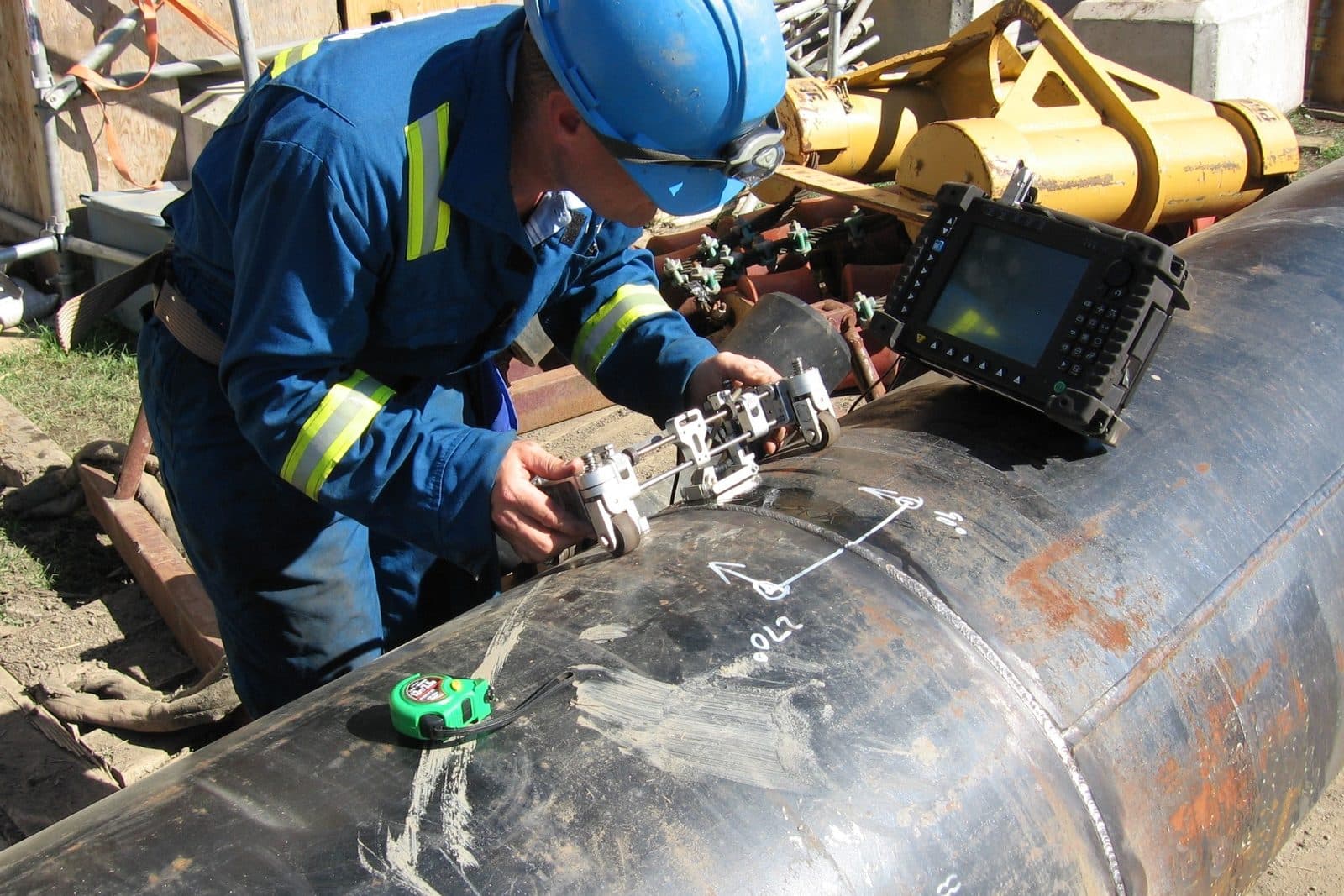
A tube to tubesheet joint weeping a few drops lets cooling water into a hydrocarbon stream, and the cause is usually fixed at the design stage rather than in operation. This programme treats shell and tube exchangers as pressure hardware. Delegates decode TEMA designations and classes R, C and B, then compare fixed tubesheet, U tube and floating head construction and how each copes with differential expansion. Tubesheet thickness, expansion joints, baffles, tie rods and flow induced tube vibration are worked through alongside ASME Section VIII rules. Tube to tubesheet joints get detailed treatment: expanded, welded and both, with their qualification and leak testing. Inspection follows, including eddy current, IRIS and remote field testing of tubes, plugging criteria, bundle pulling and test sequence. Delegates leave able to review an exchanger datasheet and plan its inspection.
Course objectives
- Interpret TEMA front head, shell and rear head designations and mechanical classes
- Select between fixed tubesheet, U tube and floating head construction
- Calculate tubesheet thickness and assess the need for an expansion joint
- Evaluate baffle, tie rod and support layouts for flow induced vibration
- Specify expanded, welded or combined tube to tubesheet joints and their qualification
- Select eddy current, IRIS or remote field testing for a given tube material
- Apply tube plugging criteria and plan bundle extraction
- Plan shell side and tube side pressure test sequences
Who should attend
- Mechanical and static equipment engineers
- Exchanger design and fabrication engineers
- Inspection engineers responsible for exchanger bundles
- Maintenance planners for turnaround exchanger work
- Project engineers reviewing exchanger vendor packages
Course outline
- 01TEMA designations and mechanical classes
- 02Fixed tubesheet, U tube and floating head types
- 03Tubesheet design and expansion joints
- 04Baffles, supports and tube vibration
- 05Tube to tubesheet joint design and qualification
- 06Eddy current, IRIS and remote field tube testing
- 07Tube plugging criteria and bundle handling
- 08Shell side and tube side pressure test sequence
- 09Reviewing an exchanger datasheet
Scheduled sessions
| Dates | Venue | Format | Price | Register |
|---|---|---|---|---|
| 19 to 23 October 2026 | Maputo, Mozambique | Classroom | USD 1,325 per delegate | |
| 26 to 30 October 2026 | Online | Online | R8,500 per delegate | |
| 9 to 13 November 2026 | Kigali, Rwanda | Classroom | USD 1,325 per delegate | |
| 28 December 2026 to 1 January 2027 | Windhoek, Namibia | Classroom | R19,950 per delegate | |
| 15 to 19 March 2027 | Durban, South Africa | Classroom | R19,950 per delegate |
Heat Exchanger Mechanical Design and Inspection
From R8,500